Uncategorized
SEEING THE UNSEEN: EMBRACING INVISIBLE DISABILITY IN OUR FJMC MEN’S CLUBS AND IN OUR COMMUNITY
Jul
By Steven Mandel
“Do not judge your fellow until you have stood in his place “ – Pirkei Avot
Michael rarely misses a Shabbat Service or Men’s Club breakfast. He enjoys conversations but sometimes withdraws from noisy gatherings. Unknown to most members, he has significant hearing loss. Some people feel that he is aloof or unfriendly, but in reality, he is working hard to keep up.
Alan is a dependable volunteer. Few people know he has been caring for his wife with Alzheimer’s disease, and he has a lot of anxiety and depression. There are days when simply walking in the synagogue requires tremendous effort. He has found that the support he receives from his men’s club brothers, makes a profound difference.
Invisible disability is an umbrella term referring to impairments that interfere with day-to-day functioning but lack a readily observable physical manifestation and can not be easily substantiated by others. The disability is effectively hidden unless an individual chooses to disclose it.
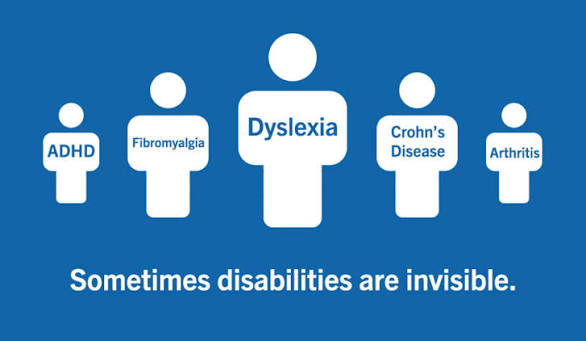
About 28% of US adults have a disability according to the CDC. People with an invisible (non-apparent) disability, make up 70-80% of all disabilities. 16% of the world’s population – roughly one in six people – lives with a significant disability. Every one of us knows someone with an invisible disability- even if we don’t know it.
One of the important lessons I’ve learned in medicine is that many disabilities cannot be seen. A patient may look healthy while living with chronic pain and fatigue, serious mental illness, neurodevelopmental conditions, neurological conditions, chronic health conditions, post stroke, cognitive and psychological sequelae, hearing loss, sleep disorders, fatigue long COVID and many others…I’ve learned not to assume that appearance reflects health or ability.
What this meant to me: Listen before you judge, avoid assumptions, believe people when they describe their symptoms, ask and don’t assume what support someone needs, use person-centered language, practice patience and flexibility. I have learned that people deserve to be heard, believed and respected, even when their challenges aren’t obvious. Kindness costs nothing, but for someone living with invisible disability, it can make a difference.
People with invisible disabilities report lower self-concepts and body image, likely driven by higher levels of internalized stigma and the constant emotional burden of deciding when and to whom, to disclose their condition. In the workplace, stigma and perceived discrimination are the primary barriers to disclose, along with higher unmet accommodation needs and more negative attitudes towards those with invisible disabilities.
Support means giving someone extra time, offer choices instead of making assumptions, respect requests for accommodation, creating an environment where people feel safe disclosing their needs, responding with compassion rather than skepticism. When we model curiosity instead of judgement and compassion instead of doubt, we create a culture where people with invisible disabilities feel seen- even when their disability is not.
The FJMC Men’s clubs can lead by raising awareness through educational programs and guest speakers, ensure that meetings and events are accessible for those with physical, sensory, cognitive and hidden disabilities, encourage a culture of dignity, and confidentiality, reaching out to members who have become less active because of health challenges, partnering with synagogue inclusion committees, and community organizations, to make every member feel like they belong.
As we prepare for October Invisibility Month ( FJMC INVISABILITY MONTH ), what can we do now to prepare:
- Form a small planning committee
- Decide which “invisible” disability you want to highlight
- Invite local organizations or community members to partner
- Publicize in the synagogues month’s events
- Newsletters and social media
- Breakfast with a guest speaker
- Intergenerational event with youth
- Community service project
- Volunteer at a food pantry or senior center
- “Buddy Program “ pairing members to check in with one another
- Community dinner or Havdalah program celebrating those whose quiet contributions, often go unnoticed, recognizing volunteer, care givers and long-time congregants.
The FJMC is built on friendship, Judaism, mentorship and community.
By recognizing those whose challenges be unseen, we strengthen our clubs and ensure that every man- and every family- knows that they have a place where they are welcomed valued and never alone. If we say we are brothers, then we must see each other even when the struggle is silent.
The hardest part of on Invisible Disability isn’t the condition, it is not being believed. To see what is unseen has always been a Jewish obligation- and today it is our Men’s Club calling.
Written by Steven Mandel MD
August 1, 2026