Uncategorized
MORE THAN A GAME; GAMBLING, FRIENDSHIP AND JEWISH VALUES
Aug
By Steven Mandel MD
When Michael arrived at the Men’s Club in a walking boot after knee replacement surgery meeting everyone noticed. Members carried his coffee and asked him how his recovery was progressing. His recovery was visible, and so was everyone’s compassion. Then over several months, small changes began to appear. He stopped volunteering for club projects. He missed meeting and when attending, he looked distracted. He declined dinners, saying money was tight. He asked some members for a short-term loan. Others wondered why he sold the sports car that he loved. When one of his closest friends said “you don’t seem like yourself” Michael then admitted that he had been gambling every night, chasing losses and hiding thousands of dollars of debt from his family. We may not recognize a hidden addiction, but we can recognize when a friend has changed. Sometimes recovery begins not with a diagnosis, but with a conversation.
Card games and gambling:
Gathering to play card-for pennies, modest stakes, or simply for fun – can provide many benefits for members of the FJMC, provided the activity remains social, voluntary and responsibly managed. It can strengthen the club and the well being of its members. Card games can build brotherhood and friendships. It can reduce social isolation, and support mental health. It can keep the mind active with games like bridge, poker, which require memory, concentration, probability and strategic thinking. In a relaxed atmosphere, it can promote intergenerational connections. It can also raise money for scholarships and synagogue programs.
Jewish perspective:
Judaism emphasizes moderation, responsibility, and protecting one another. The value of arevut ( mutual responsibility) reminds us that every member of the community has a role in looking after the well-being of others. If the friendly card game, or gambling, begins to harm an individual or family, the community has responsibility to respond with understanding, Support and guidance. The greatest value of the card game is not in the cards or the wagers- it is in the conversations, friendships, and opportunities to notice when a fellow member needs help.
Most people gamble responsibly, which begins as harmless entertainment, can become a serious addiction. Warning signs include chasing losses, hiding gambling from loved ones, borrowing money, allowing gambling to interfere with work, finances, or family relationships. Recognizing these early signs can make a difference. People rarely recognize gambling addiction from one event. They recognize a change in the person they know.
Psychology of gambling:
The person gambles as a coping strategy and believes that it can provide relief from depression, anxiety, loneliness and stress. Gambling may release hormones like dopamine, reinforcing the behavior. There is denial and a distortion of reality. They are frequently conflicted between a wanting to quit and feeling unable to change. The “gambling personality” may have high stress sensitivity, difficulty tolerating stress and low self-esteem. There are 3 interacting components: compulsion, loss of control, and continued use despite harm.
The person with a gambling problem develops distorted beliefs about what gambling can achieve. Gambling gradually changes from pursuing money to pursuing hope and emotional relief.
Financial security – One big win will solve my problems
Recovery of losses – One big win, everything I lost
Control – I have a winning system
Luck – I’m due for a win
Success and status – I will show everyone my win
Escape – the only way I can forget my worries
Self-worth – winning will make me fell better
Hope – the next game will change my life
Consequence of gambling:
There are financial issues ranging from loss of savings, mounting debt, loss of home and businesses and in severe case, theft, fraud, or other illegal aspects to obtain money. There is an increased risk of alcohol, drug use and suicidal thoughts. The individual may experience physical problems such as high blood pressure, headaches, gastrointestinal problems, and a weakened immune system related to chronic disease. Family members often experience the greatest burden with loss of trust, marital conflict, separation and divorce. Children may experience emotional neglect, insecurity and financial hardship. It can lead to a loss of friends, reputation and respect, along with a feeling of loss of purpose or connection with one’s values. Gamblers believe they have some control over games of chance, with misperception that can include, “I’m due for a win. I almost one – that means I am getting closer.“
The psychological principals underlying gambling addiction and alcohol addiction are remarkably similar. The main difference is that alcohol addiction involves a psychoactive substance that causes physical intoxication and may produce tolerance and withdrawal, whereas gambling addiction in a behavioral addiction in which the “ high “ comes from uncertainty, anticipation and intermittent rewards.
Strength through Brotherhood:
The Men’s Club can be a powerful source of support. By fostering open conversation, reducing stigma, and encouraging members to seek professional or rabbinic guidance when needed, we create a culture where no one must struggle alone. As a physician, I‘ve seen many illness that are invisible, until they became serious. Just as routine health screenings are encouraged, we should also feel comfortable to ask a friend “I am concerned about you, how are you really doing?’
Practical Steps for a Men’s Club:
Invite an expert to discuss gambling addiction and financial wellness. Foster an environment where members feel safe when discussing life’s challenges. Train leaders and members to recognize signs of distress. Families need support and share information about support groups We can support healthy alternatives that strengthen friendship- volunteer, exercise, learning and community service. Always maintain confidentially and dignity.
Recovery is possible when treatment begins early. This can include Cognitive Behavioral Therapy, Peer support groups such as Gamblers Anonymous, Financial counseling, couples therapy, and treatment for depression, anxiety or substance use disorders when present. The real question is whether the family and community recognize the signs early enough to offer help before the damage becomes irreversible.
Ultimately, recovery begins with the individual’s willingness to seek help and the determination to succeed. Recovery is sustained not only by support, but by the individual’s commitment to healing, and take the first step. There may be relapses, which should be viewed as an opportunity to learn, rather than a sense of failure. The individual may stumble, but they are willing to get back up, ask for help, and continue moving forward.
Our FJMC is built upon, friendship, Judaism, mentorship and community.
Addiction is not a moral failure: it is a health condition that affects the individual, family and community. The Jewish response is not judgement but compassion, accountability and hope. The lasing reward of the FJMC Men’s C is not found in the cards we hold or the games we play. It is found in the friendships we nurture, the support we give to one another, and the welcoming community we continue to build, and every member knows he belongs.
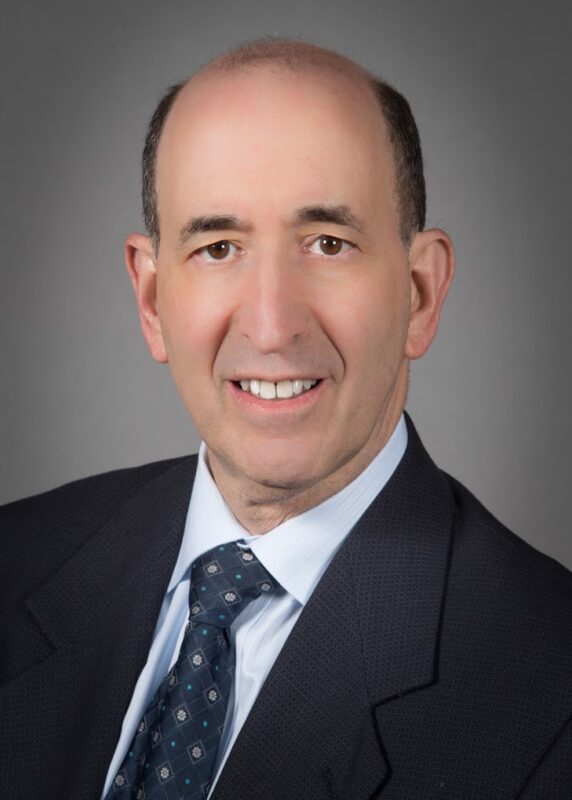
Written by Steven Mandel MD
September 2026
“MORE THAN A GAME; GAMBLING, FRIENDSHIP AND JEWISH VALUES” published in September 2026 GESHER.