As a physician, I know that protecting people from extreme cold can mean the difference between life and death, especially for older adults, those living alone, and people unable to afford adequate heat.
I recall a 78-year-old man who lived alone in an apartment he could not afford to heat adequately. During prolonged cold spells, he kept his coat on indoors and spent much of the day under blankets. Eventually, he became weak, lethargic, confused, and unable to walk. A concerned neighbor called 911. In the emergency room, he was found to be hypothermic, with low blood pressure and impaired coordination.
His hospitalization might have been prevented if someone had recognized his circumstances and helped him obtain adequate heat before the cold became life-threatening.
For us as members of FJMC Shomeri Ha’Aretz, this is more than an environmental concern. It is a matter of public health, human dignity, and our Jewish responsibility to preserve life.
The Dangers of Extreme Cold
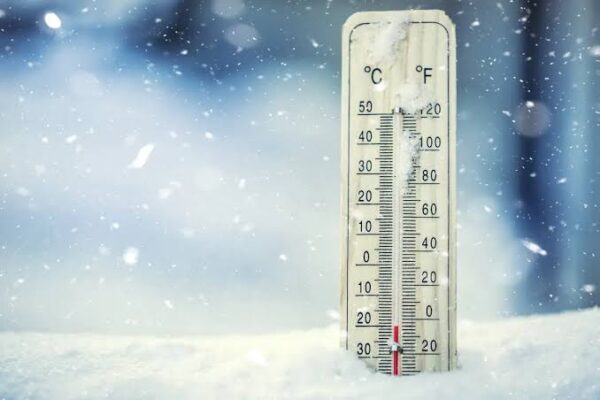
Winter brings more than discomfort. Extreme cold can cause hypothermia, frostbite, and dangerous stress on the heart and lungs. Severe cases can lead to cardiac arrest, permanent tissue damage, and even amputation.
Older adults, people with disabilities, young children, individuals experiencing homelessness, and families unable to afford heating are especially vulnerable.
Dangerous cold is not defined by temperature alone. Wind, wet clothing, prolonged exposure, inadequate shelter, and underlying health conditions all increase risk. Hypothermia can occur even above 40°F when someone is wet, inadequately clothed, or without proper shelter.
Monitoring National Weather Service forecasts, recognizing cold-weather warnings, and identifying warm shelters before temperatures drop can save lives.
How FJMC Men’s Clubs Can Make a Difference
Shomeri Ha’Aretz reminds us that caring for the Earth also means caring for the people who inhabit it. Our clubs can turn that principle into action:
- Collect warm clothing. Organize drives for coats, hats, gloves, scarves, socks, and boots. For someone experiencing homelessness, these essentials can help prevent serious cold injury.
- Support shelters and community centers. Volunteer, assist with needed resources, and help ensure that vulnerable people have access to a warm, safe place.
- Help families heat their homes. Partner with community organizations to support utility assistance, provide warm bedding, and help households obtain heating fuel.
- Prepare for emergencies. Connect vulnerable residents with local resources before severe weather strikes.
- Check on neighbors. Establish club contact persons and organize calls or visits to older adults, people living alone, and others who may struggle to stay warm.
A Jewish Call to Action
As Shomeri Ha’Aretz, we are guardians of the Earth and responsible for the people who share it. Our Jewish values call us not simply to recognize suffering, but to act before preventable suffering becomes a tragedy.
Let this be the winter when every FJMC club asks not only how cold it will be, but who may need help—and what we can do about it.
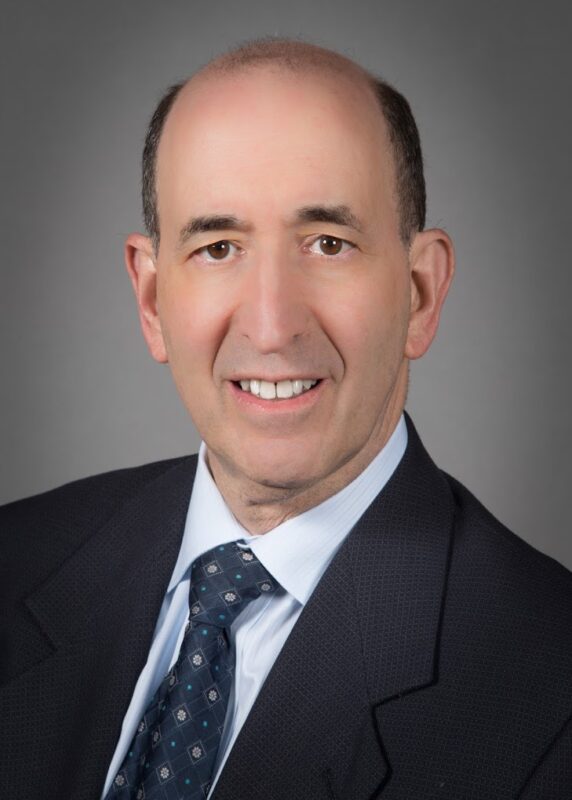
Steven Mandel, MD, FAAN, FACOEM
Shomeri Ha’Aretz for Ha D’var
November 2026