
Uncategorized
STAYING STRONG: PREVENTING FALLS: Supporting every step to preserve independence

Aug
By Steven Mandel MD
Daniel 71-year-old man with diabetes, hypertension and osteoporosis, still maintains an independent and active lifestyle in New York City. One afternoon, while crossing a busy street in Manhattan, he catches his foot on a cracked section of sidewalk. He falls and has scrapes with bruising on his cheek, arm and leg. help from a passerby, Daniel bushes off his fall and goes home.
The following morning, as he steps out of the bathtub, Daniel becomes dizzy, loses his balance, and strikes his head on the floor briefly losing consciousness. His wife takes him to the ER, where the head injury proves minor, but x-rays show a fractured hip that requires surgery.
This story shows how a fall can lead to a life changing event. For many adults, falls are not simply accidents, but as result of many interacting factors that can include medical conditions, environmental hazards, and changes in balance and strength. Understanding the risks is the first step towards preventing falls and preserving independence.
What is a fall?
An event which results in a person coming to rest inadvertently on the ground or floor, or another lower level, not as a result of a major intrinsic event (such as a stroke or seizure), or overwhelming external hazard. Prevalence: In 2023, the Center of Disease Control (CDC) reported 41,400 deaths from falling in those aged 65 and older. In community dwellings, these falls occur in one third, and one half in those 85 and older. The World Health Organization reports fall as the seventh leading cause of death, worldwide each year: 660,000 adults and 30,000 children. Falls in the home are the most common cause of death. Falls account for 87% of all fractures. Recovery takes longer with medical conditions. There are 3 million ER visits each year in older people, and 1 million hospitalizations. Falls are the most common cause of traumatic brain injuries.
Risk factors:
The following factors, alone or in combination, will place you at increased risk of falling Weak muscles, especially in the legs, age-related muscle loss (sarcopenia ), poor balance and unsteadiness on your feet, dizziness and lightheadedness, blackouts fainting and loss of consciousness, foot problems including pain and deformity, memory loss, confusion of difficulties with thinking and problem solving, vision and hearing, medication side effects, drinking alcohol with medication, poor nutrition, reduced reaction time, foot deformities, bladder and bowel conditions including urinary incontinence. Extrinsic factors include poor lighting, uneven surfaces, slippery floors and not paying attention where you are going. Many falls are unanticipated with acute medical events and environmental hazards.
Fall prevention devices, including wearable airbags, and hip protectors, are less valuable than the many risk assessment tests, carried out by a licensed health care provider, as part of an interdisciplinary assessment. Examples include Times Up and Go, 30 Second Chair Stand Test, Four Stage Balance Test, Berg Balance Test, Functional Reach Test, and Gait Speech Test. Having a smart phone and a “wearable fall detection device “, or a “personal emergency response system (PERS) with automatic fall detection.
Each is chosen by the individual’s needs and the discretion of the examiner.
Example of a test:
Tide Up and Go (TUG): Can you stand up from a chair, walk 10 feet, then turn around, turn and sit down under 12 seconds?
When you fall:
Breathe and relax, decide if you are hurt, crawl to a sturdy chair or a fixed piece of furniture, slowly sit on the chair if available, get help. If you think you have a broken bone, hit your head, or loss consciousness, then call 911. There is the SAFE approach: Stay calm, Alert someone, Find a safe way to get up, Evaluate the cause of the fall to prevent the next fall. If the person cannot get up, the recommendation is not try to lift them up, call 911, keep the person warm and comfortable, move the person to a stable sitting position, only if they can do so safely. After a fall, the first priority is to get up but only if they can do so safely.
Physical Consequences:
You may experience physical trauma, with bruising and/or broken bones, bleeding, including in brain and many organs, requiring long periods of rest and muscle loss, deep fear of falling, decline in health and independence.
Consequence of Falling:
In addition to physical consequences, there are psychological consequences to include: fear of falling, insecurity, self-limitation of activities, functional impairment and social isolation. Although falls are more common in woman, men have a higher fatality rate because they frequently only seek medical assistance when they have a severe condition, or they engage in risky and dangerous behaviors.
Evaluation and Management:
The three essential elements include strength, gait and balance. Exercises include those for strength, balance, endurance, resistance, and if medical indicated treatment of osteoporosis and use of Vit D. education, self-management support with guidance for a specific exercise program will give people a better sense of self control.
Fall prevention strategies:
Get enough sleep, avail and limit alcohol, especially with medications, stop smoking, stand up slowly, use assistive devices including Nordic walking polls, taking extra precautions when walking on icy surfaces, keep your hands free, bathroom grab bars, nonstick mats and keep a light on at night.
What is the role of the FJMC?
When someone is having difficulty walking, offer support to medical appointments, encourage exercise and follow up with phone calls. Clubs can organize weekly walks, support Tai Chi, and yoga, invite physical therapists to demonstrate exercises, reduce isolation and social connections, and encourage the individual to see their physician.
Parkinson’s disease and Falls:
Falls are common in Parkinson’s disease. Fall prevention is about maintaining independence and dignity, not simply preventing injury. Regular exercise can be an important part of fall prevention. At the Bandeen Center , www.parkinsonswf.org. New York City’s first dedicated space for the Parkinson’s community, members may participate in specialized exercise classes that help mitigate symptoms while also providing resources and wellness support for themselves caregivers and families.
Ask the person “Do you feel steady when you walk? Would you like someone to walk with you?”
A fall can change life in a moment, but through compassion, awareness, and brotherhood of the FJMC, we can help each other remain strong, independent, and connected as we grow older.
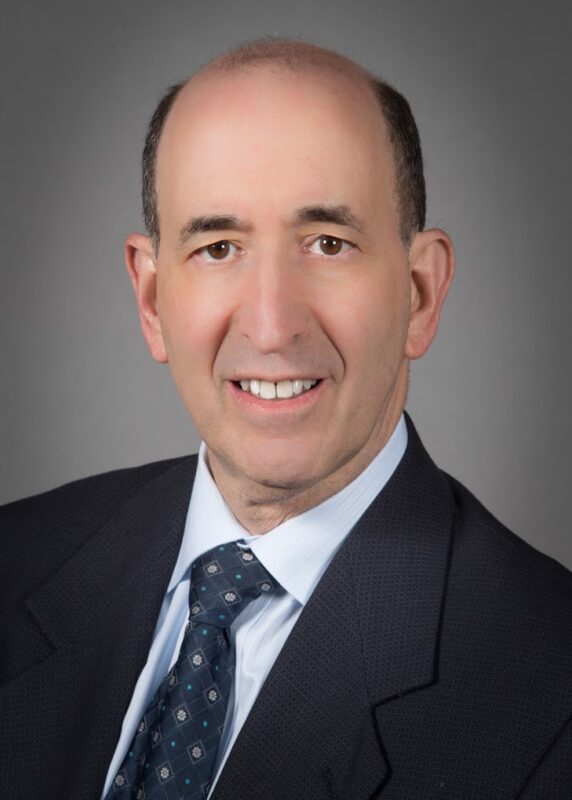
Written by Steven Mandel MD
September 2026
“STAYING STRONG: PREVENTING FALLS: Supporting every step to preserve independence” published in September 2026 GESHER.