


Uncategorized
EXERCISE NEUROPLASTICITY AND PARKINSON’S DISEASE: A DISEASE MODIFYING STRATEGY, EXERCISE AS MEDICINE.
Mar
James Parkinson was a London physician who first described “the shaking palsy” in 1817. In 2017, the World Health Organization declared his birthday April 11to be the World Parkinson’s Day, and the entire month of April to become Awareness Month. This was to ensure more people know about Parkinson’s disease and support care for patients as well as research that will one day lead to a cure.
Wellness is nurturing ourselves through conscious choices, from the foods we eat to the thoughts we cultivate. For those navigating the complexities of Parkinson’s disease, the commitment to wellness becomes more vital. Exercising emerges as one of the most powerful tools for both physical conditioning and as a cornerstone of comprehensive care. Embracing a holistic approach to wellness can be both beneficial and transformative. Exercise offers a powerful framework for managing symptoms and enhancing daily life.
Exercise has neuroprotective effects to change brain plasticity. It helps combat motor symptoms, balance and mobility, strength and flexibility, and gait. It impacts non-motor symptoms such as fatigue, depression and anxiety, cognitive function, sleep quality, autonomic dysfunction, pain and discomfort, voice, and quality of life.
High intensity exercises can slow disease progression. With physician approval, one should start slowly with exercises that will be consistent over time. There are a few activities that people have found to be beneficial: yoga aerobic and strength training, tai chi, cycling, boxing, Ping pong, swimming and dance, along with community support.
Studies have shown high intensity treadmill exercises delays worsening of motor symptoms, with improved gait speed, and potentially reduced risk of falls. There is improved cardiorespiratory fitness, better endurance for daily activities and a positive effect on mood and cognition.
Exercises “changes the brain “and restores brain plasticity, by a combination of molecular cellular and network brain changes. It stimulates brain derived neurotropic factors, enhances synaptic plasticity, increases dopamine synthesis and release and in many instances, enhances dopamine sensitivity to counteract bradykinesia and rigidity. It reduces chronic neuroinflammation, promotes neurogenesis (new neuron formation), and angiogenesis (growth of new blood vessels). Mitochondrial function and energy metabolism is improved which supports neuronal signaling and plasticity.
Recommendations:
–early referral tailored for individual needs for efficacy and long-term adherence.
–high intensity exercise 3-4 times per week to achieve 60-80% heart rate
– one repetition max
–flexibility and one motor activity such as balance and gliding 2-3 times per week
–Increase activity volume even at low intensity
In summary, exercises “primes “the brain to rewire, repair and function better. Exercise stimulates functional and structural plasticity in both the motor and cognitive brain, which when combined with adopting a healthy lifestyle and diet, can support stress management.
Group exercises has better motivation and consistency, provides social interaction, reduces isolation, increases confidence, and promotes a better quality of life. In PD, drugs can be synergistic with exercise even when they are not considered putative (unproven or hypothetical) treatments. Even when a drug is well established and clinically proven, exercise can still enhance the treatment. Exercise may reduce medication side effects (involuntary movements) and maintain better function during “off periods” , when medication effects wear off. By having an individual tailored program, by professionals, there is a reduced risk of injury during exercise including falls.
Specific benefits:
–Dance, gait and balance, functional training for motor signs
–Aquatic training for QoL
–Resistance training for strength, functional mobility, balance and freezing of gait
–Combined aerobic and resistance training is synergistic for motor, sleep, cognition
Visual motor integration is impaired in PD (the ability to coordinate what you see with precision hand and body movements). Exercise, combining vision and movement helps improve coordination. The result is improving motor function, gait/balance, functional ability, cognitive and perceptible visual motor integration.
Autonomic dysfunction has been associated with cognitive decline, with orthostatic hypotension, constipation, urinary urgency, excessive sweating and more. Cardiovascular conditioning improves parasympathetic and sympathetic regulation, resulting in cardiovascular stability, better circulation and sympathetic tolerance. One significant benefit is to reduce falls with resulting injury, LSVT BIG Therapy ( Lee Siverman Voice Treatment) has been shown to be of benefit in these patients.
The Bandeen Center is the first dedicated space for the Parkinson’s community in New York City, with a mission to empower those with Parkinson’s to live their fullest lives. The Bandeen Center offers signature group fitness classes for varying stages of Parkinson’s disease, social opportunities, educational lectures, and support groups for patients and care partners. People have found hope in this community because it provides a sense of belonging throughout their journey. It helps people overcome barriers and leads to an active and fulfilling life. Beyond supporting physical health, the Center serves as a cornerstone with an integrative approach—helping patients maintain mobility, balance, and independence while living with this disease.
Financial support is available to those who can’t afford full cost of membership. For Parkinson’s patients outside of New York City, there are Parkinson’s community centers in Cleveland Ohio (InMotion), as well as in Detroit, Michigan (The Kirk Gibson Center). Both the Michael J. Fox Foundation and the Parkinson’s Foundation offer robust online resources to help people and caregivers affected by Parkinson’s to navigate the disease.
Genetics: Ashkenazi Jewish ancestry – significantly higher prevalence of genetic form of PD. LRRK2 is 1-2 % of PD in the general population.
In Ashkenazi Jewish patients with PD 15020% carry the mutation in some cohorts.
GABA1 on 5-15 % of all PD cases most common in the Ashkenazi Jewish population of North African ancestry. In these cases, with a family history genetic counseling is recommended, especially in families, and those who develop the disease less than age 40.
The FJMC International declares that caring for the body is not just a medical issue but a shared community value. It is our responsibility and our obligation to support our fellow members, and congregants, offering social support. With our inclusive community, we provide dignity for all those facing disease. KOL YISRAEL AREVIM ZEH BAZEH (All of Israel is responsible for One Another).
IN SUMMARY:
The best evidence for slowing the progression of Parkinson’s Disease is exercise. Exercise by neuroprotection protects nerve cells at risk for damage and cell death. With high intensity exercise, nerve cells are strengthened when they are most vulnerable before they experience damage. Exercise, through neuroplasticity, aids your brain to discover new nerve calls connectivity, leading to a better quality of life.
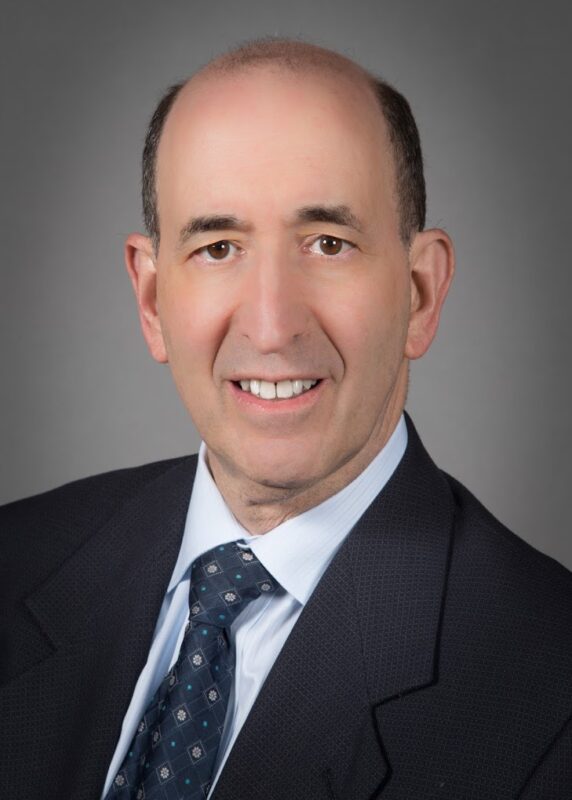
Steven Mandel MD
Clinical Professor of Neurology
Zucker School of Medicine
Hofstra Northwell
3/01/2026