Uncategorized
NY BUFFER BILL. PROTECTING SAFE ACCESS TO WORSHIP.
Mar
By Steven Mandel MD, VP Outreach and Engagement, NY Metro FJMC
S.8599/A.9335( LASHER) and Part K of S.9005/A.10005
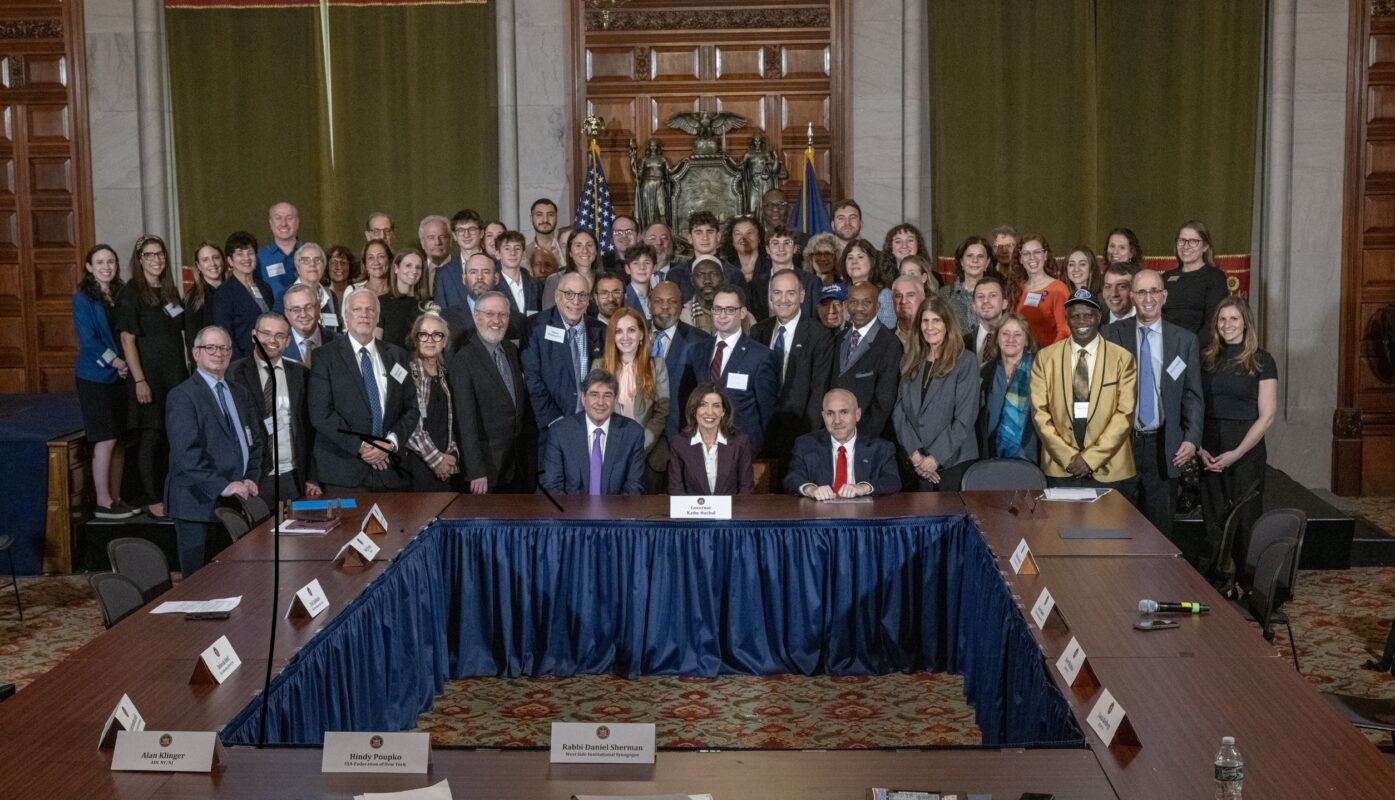
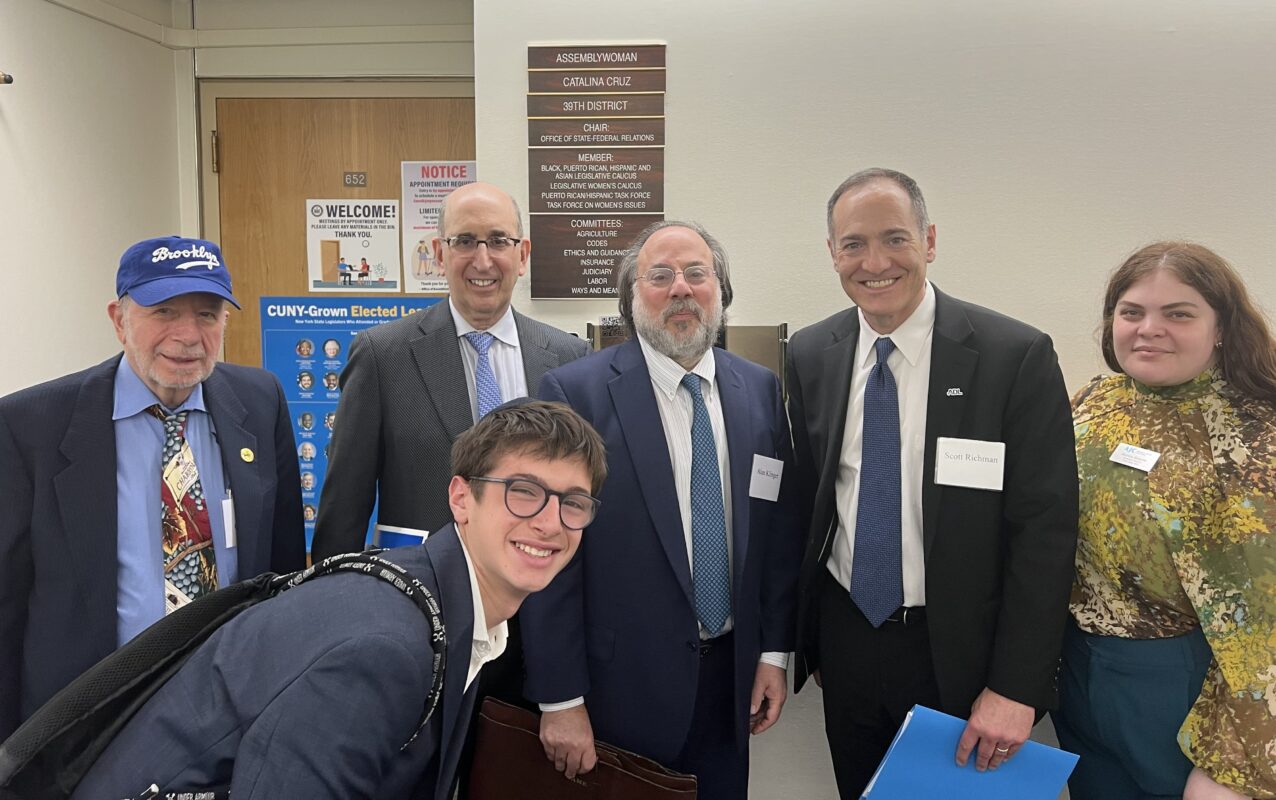
On March 11, 2026, members of the UJA, ADL, JCRC, other Jewish organizations, and leaders from many faiths, and throughout many regions of NY State, to Lobby Legislators and meet with Governor Kathy Hochul to have the legislators and the Governor sign what is known as the Buffer Bill to be included in the enacted budget.
The bill provides safe access to churches, mosques, temples, and other sacred spaces, upholding this core value and constitutional right. The bill would create a modest 25-foot buffer zone at entrances, exits, and adjacent access points to reduce escalation. There would be free access and peaceful protest while setting an objective, location-based standard. It would help prevent harassment and intimidation at sensitive sites. Jews should be able to worship freely without fear or intimidation.
In 2024, the NY State Division of Criminal Justice Services reported over 550 religiously motivated hate crimes. Recent incidents include threats, calls for violence, demonstrations and vandalism. These acts have affected the Jewish, Christian, Muslim, Sikh, Hindu and other faiths. Supporting this legislation reaffirms the state’s commitment to the safety, dignity, religious freedom of all New Yorkers, ensuring that lawful expression and protection from intimidation go hand in hand.
A 25-foot buffer zone around a house a house or worship offers protection and, spiritual transition, where people can enter places of worship with dignity rather than defensiveness. This includes funerals, memorials, times of illness and crises, respecting vulnerable moments. The safe space keeps disagreements civic rather than personal. The buffer zone symbolically protects the sanctuary as a place of reflection, and moral conversation rather than conflict. It encourages participation rather than withdrawal ensuring that people can gather openly in a community.
New York is not alone. California, New Hampshire, Connecticut, all have either bills in place or considering designations to include abortion, environmental / health setbacks and election site buffers. In Oklahoma there is a law that includes buffer-style protection zone around worshipers services. New York is leading the effort for an explicit protest buffer zones.
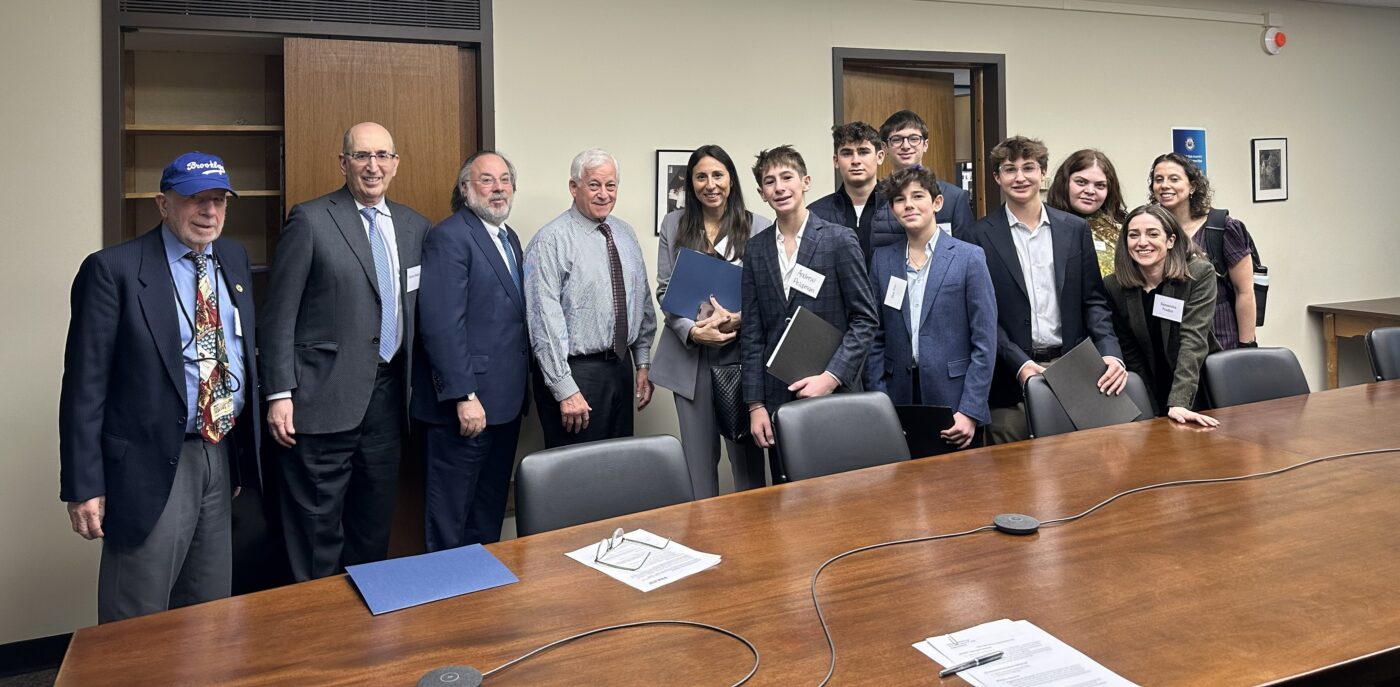
Our lobbying day was a coordinated advocacy that brought a clear message: access and safety should not depend on geography and circumstances. The legislature will determine whether our voices translate into the bill’s enactment. As we met representatives and staff, we hope our advocacy extends beyond a single day of action. When we tell our personal stories, we stand up with courage to and conviction. We explain the issues that affect our lives and shape the outcome for the entire community. On Friday night Shabbat, three days after Lobbying Day, Governor Kathy Hochel spoke at Park Ave Synagogue. Her message in support of the Buffer Bill. She stated that the right to protest is fundamental and it should not come at the expense of people being able to enter their place of worship without fear. She stated that this bill projects both free expression and the basic right to fee safe in one’s community.
There is opposition to the Buffer Bill, with 1st amendment concerns, free speech and peaceful assembly. Sidewalks and streets are traditional public forums, and buffers reduce an effective place to communicate a message. Critics are concerned as to what will constitute speech restricted zones such as government buildings and private homes. There could be vagueness and enforcement confusion.
In conclusion, those for the bill want to create a reasonable safety perimeter so people can attend religious services. Those against the bill say it goes to far by limiting peaceful expression in public spaces protected by the First Amendment.
Steven Mandel MD
VP Outreach and Engagement
NY Metro FJMC