Uncategorized
Environmental Health – The Invisible Burden: Allergies, Air Pollution and the Forever Chemical Crisis.
Feb
By Steven Mandel MD, FAAN, FACOEM
VP Outreach and Engagement
NY Metro FJMC
The UN along with the World Health Organization visions a world where people can live a healthy and productive life regardless of where they live.
WORLD HEALTH ORGANIZATION
The WHO increasingly works with faith-based groups worldwide. Faith Network brings together over 50 partners including faith leaders, organizations and academic institutions collaborate with emergency preparedness and the intersection of faith and public health. WHO focuses on building climate-based health systems, providing scientific evidence, and promoting policies that reduce emissions to improve health. The WHO monitors risks such as heat stress, malnutrition, diarrheal diseases, that are exacerbated by climate change.
The United States officially completed its withdrawal from the WHO on January 26, 2026, citing the organizations failure to implement reforms, lack of independence and mishandling of the COVID-19 pandemic. The consequences include weaker support for programs for infectious disease control, polio education, maternal and child health, and emergency response in low- and middle-income countries. The US will no longer participate in Global Influenza Surveillance and Response System which has coordinated global flu strain since the 1950’s. The consequences will affect the influenza flu strain vaccines leading to more hospitalizations and death. Representatives from the US will be meeting this month with the WHO for vaccine preparedness. It is unclear as to the US involvement?
JEWISH VALUES
PIKAUH- NEFESH – SAVING A LIFE
TIKKUN OLAM- REPAIR THE WORLD
CHESSED- LOVING KINDNESS
KAVOD HA BRIOT- HUMAN DIGNITY
IMITATIO DEI- EMULATING G-D
This related to or core values, and sacred obligation for the sanctity of life, care for the vulnerable, universal humanity and dignity, collective responsibility, knowledge and action, and pursuing justice.
CLIMATE CHANGE
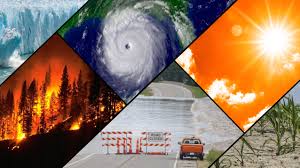
Climate change is a threat to human health. It leads to an increase in cardiovascular disease, health related illnesses, infectious diseases, vector and food born, and mental health. Causes include changes in weather such as floods and wildfires, disease spread and food insecurity, mental health and displacement, operational threats to care (hospitals), health equity issues in poor and marginalized communities including minorities, children, pregnancy and the elderly. Toxic pollutants contribute to asthma, respiratory infections decrease lung function, brachial hyperactivity and lung cancer. Wildfires cause pollutants, aero allergies and particles that exacerbate lung health problems, including emphysema and bronchitis.
Deforestation and burning of fossil fuels impact health with release of carbon dioxide in the atmosphere. This contributes to the greenhouse effect and global warning. These cause habitat destruction, soil erosion, loss of biodiversity and disruption of ecosystems, harming humans, wildlife and plant species.
The goals include global warming no more than 1.5 degree Centigrade, Reduce greenhouse gas emissions aimed at 50%reduction in emission by 2030, and carbon neutrality by 2050. The UN aims to put people first, including the migrants, displaced and disabled, and those living in rural, urban, slums and low-income areas. Authorities need to be held accountable, regardless of age, gender, income, sexual orientation or religion. When people are healthy, all people thrive.
We need to be aware of emerging threats including climate and environmental changes, commercial and communicable and non-communicable disease. We need transparency, accountability and value for our money. Knowing out social and political concerns for environmental health we need education to promote climate resilient health systems. The UN80 recognizes the need for system wide reforms, global partners with shifting paradigms (and important change that happens when the usual way of working about doing something is replaced by a new and different way. It’s called structural realignment, and engaging experts in the field.
3 Areas to address: Allergies, Forever Chemicals and Air Pollution
ALLERGY
Allergy symptoms can be caused by outdoor, pollen, air pollution, extreme weather, and indoor by dust mites, mold and pets. Allergy occurs when the immune system misfires, and releases inflammatory chemicals that can cause sneezing, congestion, itching and asthma flares.
FOREVER CHEMICALS: PFAS and others…
Forever chemicals are industrial chemicals Per and polyfluoalkyl substances, It occurs in drinking water, foods, consumer products, Household and indoor air and occupational exposures. It leads to immune system suppression, hormonal and endocrine disruption, increase cancer risk, cardiovascular effects, liver damage, reproductive and pregnancy
complications, metabolic disorders developmental affects in Children and neurological damage.
AIR POLUTION
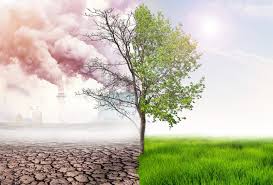
Air pollution is harmful substances in the air that damage human health, and the environment. It is made up of tiny particles ( PM 2.5 and PM10), harmful gases and chemical vapors and toxins. There are particle pollution, gas pollution and chemical pollution. Air pollution can lead to heart and blood vessel disease, lung and respiratory disease brain and brain and nervous system effects, pregnancy and child development, metabolic disease, and immune system effects.
WASTE MANAGEMENT
Environmental degradation through generations of waste and greenhouse gases exacerbates the effects of climate change. Non-biodegradable plastic waste leads to blockage of drainage systems, accumulation of landfills, oceans and natural habitats. It contaminates the soil, ground, surface and water, causing multisystem disease in humans and wildlife. It is our responsibility for proper disposal, including composting programs, reducing hazardless, household chemicals, trash and disposal. Annual/semiannual committees are recommended to monitor programs.
DISABILITY CHALLENGES
People with disabilities are at increased risk of health effects due to changes in the environment. During disasters, those with cognitive issues may have difficulty interpreting warning signs. Who will provide their food, shelter and transportation. They may have difficulty with evacuation. With heat waves, they may be prone to many illnesses. They may have less access to health care. Preexisting conditions may be exacerbated with access to medicines and health and community services. They may have increase stress and anxiety, leading to poor decision making. There margin for safety is reduced, with a compounded risk for quality of life.
WHAT CAN THE FJMC DO?
Our goal is to protect health through environmental action. We need to promote education to provide, clear and accurate information on health issues, such as vaccines, mental health, emergencies, in language that fits the communities’ values and practices. Mobilize people and direct them to community resources. In disasters, plans food, transportation, food drives and buddy systems need advance planning. You can build a bridge to community resources, and advocate with civic, local and national leaders for change. Synagogues can get started, by evaluating PFAS, including drinking water for children. Air purifiers including HEPA filters can reduce allergens, pollens and mold to improve air quality.
Shmirahal ha-olam l’dorat hab’im
Protecting our environment is essential to sustaining life today and ensuring a healthy future for coming generations.
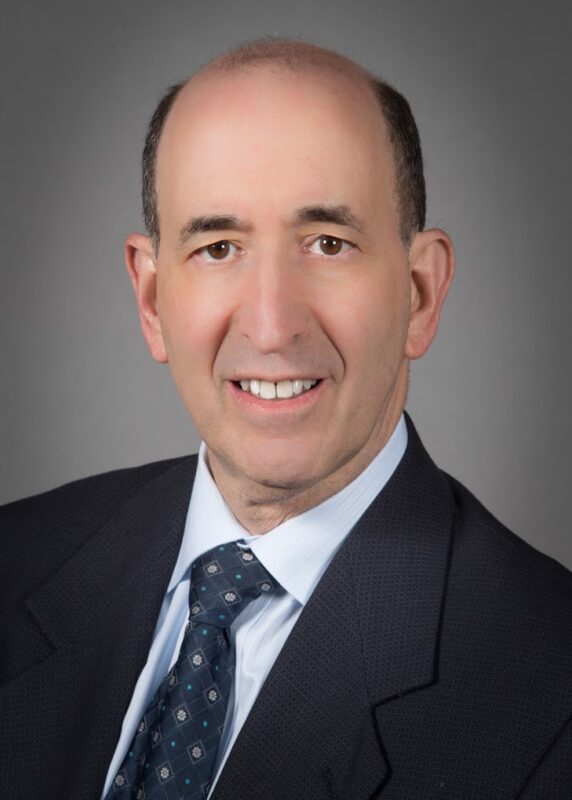
Steven Mandel MD, FAAN, FACOEM
VP Outreach and Engagement
NY Metro FJMC