Uncategorized
Why JDAAIM is more Important than ever
Jan
By Steven Mandel MD
“Remove the stumbling block before the blind and deaf, demonstrating equal access to all Jewish spaces.” – Torah Leviticus 19:14
Should we abandon the term “special needs “?
Some people have suggested that it stigmatizes the disability and lacks precision. It is not sensitive or accurate. It decreases one’s dignity and separates the person from the community. It lowers expectations and defines people as others. All of us have needs, and that’s not special – it is human. Ask people what terminology is comfortable for them. As examples: Children and youth with special access needs, a person with a disability, a person who has autism, each using 1 st person language. Others may prefer Identity – first language: autistic person, and a deaf person.
Disability is not determined solely by an underlying health condition. Disability is a continuum from none to complete disability. Disability is a human experience where everybody can be placed on a continuum of functioning, and is currently experiencing, or is vulnerable to experience disability over time.
JDAAIM (Jewish Disability, Awareness and Acceptance Month), asks us to take symbolic support of those with disabilities and turn it into concrete action. Inclusion is community strength. This includes those with physical, mental, cognitive, and hidden disabilities/ invisible disabilities.
Hidden / Invisible Disabilities:
Just because you cannot see it, does not mean it’s not there. One person said to me. “I have a disability that you can’t see from the outside, but it effects what I can do, and how I feel every day “. These are labeled hidden or invisible disabilities. These people may face stigma and perceived. Many choose not to discuss it at work, where individual and socioeconomic factors influence their decision process.
A father related to me his son’s recent bar mitzvah. His son had a diagnosis of autism spectrum disorder, with learning disabilities. He asked the Rabbi what he would talk about his son in his son in his sermon. The Rabbi said that he will have a Bar Mitzvah, like every other person, and there is no need to consider him special. In addition to his Bar Mitzvah teacher, a group of men from the men’s club volunteered to help his son say the Barchu when he was called before the Torah.
Men can function as “gatekeepers.”
What can our FJMC Men’s club and members of our community do to act? We can emphasize, all people are welcome. Include those in our bylaws, have the clergy speak from the pulpit, provide safe spaces, have listening sessions to reduce the stigma and learn respectful language. We need to reach out to people confidentially and ask them how we can be most supportive and welcome their participation. Establish an inclusion committee and open it for everyone to participate. Adapt Hearing Men’s Voices (HMV) sessions. Have programs and rituals, including Torah study consistent with everyone’s ability and needs. Many synagogues announce during services: “For those who are able, please stand,” or “please stand in body or spirit.” Appoint someone to ask a person: Are you being left out?
We need to shift our actionable mindset to our Jewish Core Value:
Lo ta’al dam – do not stand idly by to ensure that no one is excluded. JDAAIM is not a monthly project, but a yearlong commitment, to shift from equity over charity, pity to partnership, and inclusion as wholeness, with each person contributing uniquely.
We need to continue to evaluate and increase inclusivity. We strive to build a community with empathy and respect, where everyone feels safe. We create a lasting culture of belonging that extends beyond the sanctuary. We are united with concrete tools to consistently model and reinforce acceptance. We engage in dialogue, celebrate our differences, as we learn and grow together.
The FJMC International Inclusion Guide emphasizes, urges clubs to assess accessibility and create supportive spaces. We go from awareness to accountability. We measure to change structure, like ramps to the bimah. We make it known that Jews are included in all aspects of life. We can develop policies and websites as a standard, defining our goals, and tracking our success and failures. It is not just one month but extends year-round with training and leadership.
What are the challenges to JDAAIM?
There can be cultural resistance and poor sustained accountability, and passive awareness. People may not recognize issues affecting aging, neurodivergent and invisible disabilities. There can be no clear leadership, and little infrastructure. Some people may feel isolated and unwelcome. Synagogues remain inaccessible, with financial restraints. There can be a feeling of “tokenism”, with just one Shabbat and forgetting the rest of the year. People may feel that JDAAIM is exploitive as objects of inspiration, rather than partners or leaders. People with disabilities may feel like objects of charity, and a curse, rather than a community of obligations.
JDAAIM challenges the stigma of perceived flaws. Disability does not preclude leadership or spiritual value. The divine purpose of human limitations teaches us that we are not self-sufficient or all- powerful. Limitations make fee will be meaningful. Judaism teaches us that the world is intentionally unfinished. Human beings are meant to repair and elevate it. JDAAIM teaches us that human limitation is not a defect, but part of creation, and human diversity is intentional. JDAAIM is the lived application of Judaism’s belief that human limitations are sacred, purposeful, and central to conventional life.
When G-d commanded first commanded Moses to take his people out of Egypt, Moses protested that he was “heavy of mouth and heavy of tongue “. Most authorities consider these quotations to mean that he stuttered. His brother Aaron functioned as a spokesperson, adapting to Moses” disability, leveling strength despite challenges. Disability does not disqualify leadership, and it commands us to provide accommodation over perfection.
Moses teaches us that courage is not the absence of limitations, but with resolve and bravery, what we can accomplish as leaders.
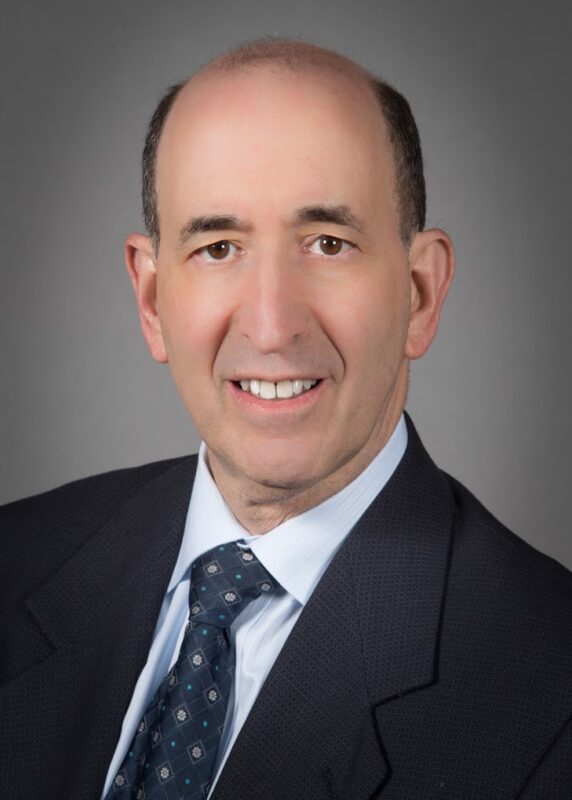
Written by Steven Mandel MD
VP of Outreach and Engagement
NY Metro FJMC
VP Men’s Club
Sutton Place Synagogue
2/01/2025
Dr. Mandel is leading a discussion group at Sutton Place Synagogue on JDAAIM.
The following questions are an introduction to a discussion that men’s club members could bring up in their clubs and wider community, during JDAAIM month, and all year.
What does “disability awareness “mean to your personally?
And how is it changed in your lifetime?
Have you experienced or witness a situation with someone with a disability was excluded?
How can you make someone with a disability feel more comfortable?
What Jewish teachings inspire us to be more inclusive?
B’tzelem Elohim. What can the clergy do to advocate for members?
What symbolic or concrete actions would you suggest making our sanctuary more accessible and welcoming? Name one step we can take in the next
month.
Closing: What is one message that every member of the community can take
away from JDAAIM ?