Memory, Joy, and Continuity
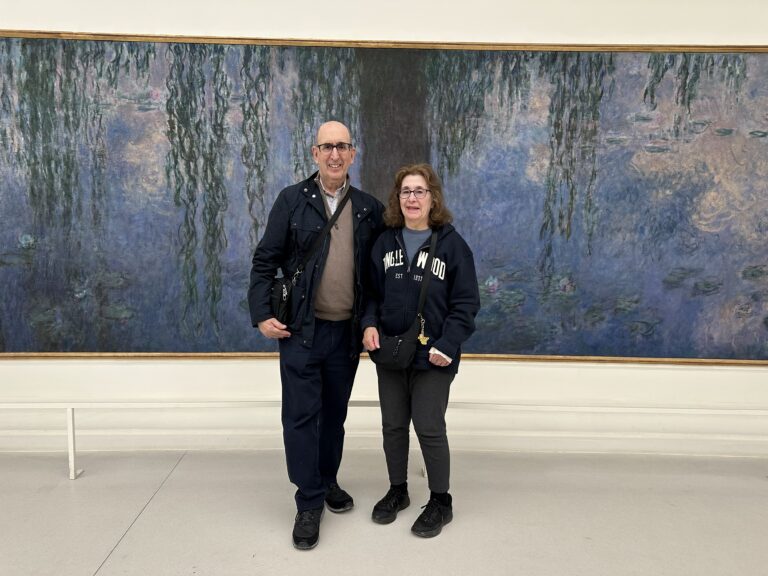
My wife and I live on the East Side of Manhattan and belong to Park Avenue Synagogue and Sutton Place Synagogue. Sometimes, even a trip to a synagogue on the West Side seems far. Yet, on a recent trip to Paris, as we entered synagogues thousands of miles from home, we discovered something we do not always fully appreciate in our daily lives: how close we are to Jews we have never met, in communities whose histories and traditions may differ from our own.
Why Visit Jewish Paris?
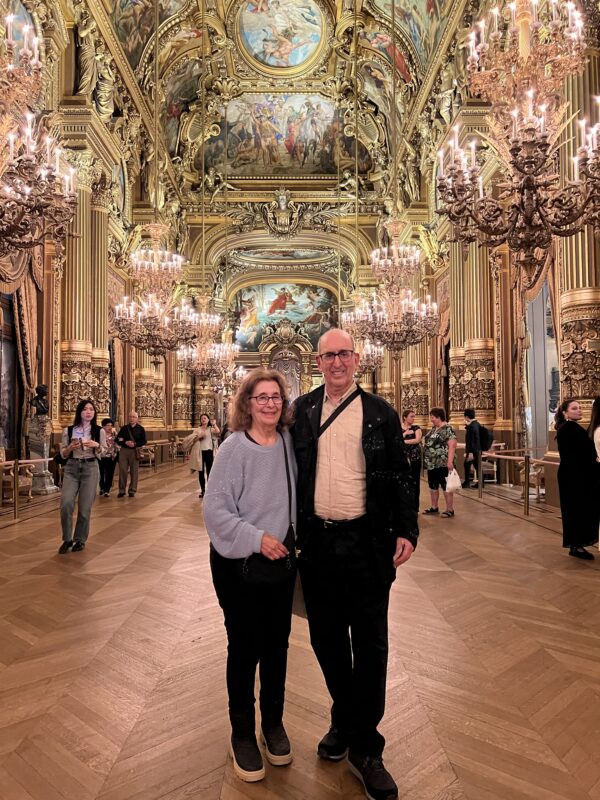
A visit to Paris is an opportunity to experience the remarkable continuity of Jewish life—not just its history. Here, we encounter a community that endured centuries of change, survived the devastation of the Holocaust, rebuilt, and continues to celebrate Jewish life today.
My work as an FJMC representative to the United Nations gives me the opportunity to bring a Jewish perspective to discussions of human rights, antisemitism, tolerance, and our responsibility to protect one another. My relatives who were murdered in the Holocaust can no longer speak for themselves. I can. Their memory reminds me that remembering the past must also mean accepting responsibility for the present.
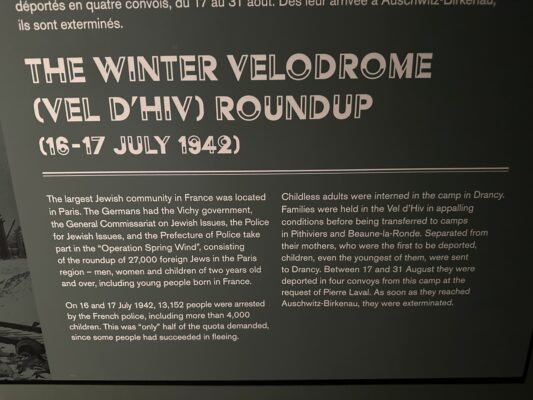
Paris offers many ways to experience this connection between memory and living Jewish life. The Mémorial de la Shoah and the former internment camp at Drancy bear witness to the deportation of approximately 76,000 Jews from France during the Holocaust. On Rue des Rosiers, you can buy challah, explore the historic Jewish quarter, and discover synagogues representing different Jewish traditions. The Grand Synagogue de Paris, inaugurated in 1874, remains an important landmark of Jewish life in the city.
These places tell us what happened to Jewish communities. The synagogues also show us what continues.
Two Synagogues, One Celebration
During our visit, we were welcomed into two very different congregations: the Communauté Juive Libérale, a Liberal Reform synagogue, on Friday evening, and Adath Shalom, a Masorti (Conservative) synagogue, on Saturday.
Their observances reflected a difference in Jewish practice. In the Diaspora, Reform communities generally celebrate Shemini Atzeret and Simchat Torah together, while traditional and many Conservative communities observe the festivals on separate days. Yet, despite these differences, both congregations welcomed us into their celebrations.
At the Liberal Reform synagogue, the entire Torah was opened, and everyone was invited to hold a section of the scroll. At Adath Shalom, we experienced a more traditional celebration. In both places, there was singing, dancing, children waving flags, and candy being shared.
The settings and customs differed, but the joy was unmistakable.
When Strangers Become Family
I remember the Torah scrolls, dressed in deep red velvet, softened and faded by years of loving hands. I saw a man, perhaps my age, holding a Torah as one might hold a child—not formally or ceremonially, but close to his chest, his forehead resting against it. His eyes were closed as he sang.
Someone noticed me standing near the back of the sanctuary. He took my hand and pulled me into the circle.
“Come, come!”
I don’t remember exactly what he said in French, in Hebrew, or in a mixture of both. It didn’t matter. Someone placed a hand on my shoulder. Someone handed me a Torah for the next hakafah, the traditional procession around the sanctuary, and suddenly I was part of the circle.
I knew the songs. They were the same songs I had sung as a boy on the Lower East Side and the songs I sing in my synagogues in New York.
I was surrounded by people I had never met, yet they did not feel like strangers. Someone asked where I was from. When I said New York, a woman replied, “Ah, tonight you are from Paris.”
Walking back to our hotel, I could still hear the singing. For the first time on this trip, I did not feel like a tourist visiting Paris. I felt that I belonged.
That experience has stayed with me. We often define our Jewish community by the synagogue we attend, the neighborhood where we live, and the people we know. Paris reminded me that our community is so much larger. These people did not know our synagogue histories, and we did not share all the same practices or even the same language. But we shared something immediately recognizable: our love of Torah, the joy of Simchat Torah, and the experience of being Jewish together.
Our Jewish community is not measured in miles. It is measured by our willingness to welcome one another.
Memory, Resilience, and Responsibility
My wife and I have sought out Jewish communities throughout our travels. We have celebrated Simchat Torah in Germany and France, experienced Passover in Amsterdam, and attended services in London and Israel. Each visit has reminded us that Jewish life is shaped by different histories and traditions, yet sustained by a common bond.
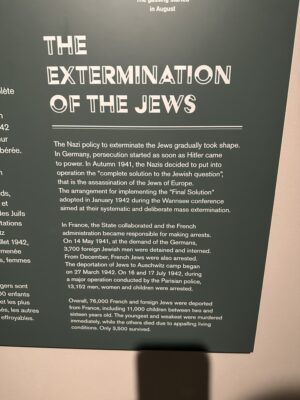
My own family came from Slovakia, Transylvania, and Hungary. For generations, my relatives were part of the Jewish communities of Central and Eastern Europe. Most of my family was deported to Auschwitz and murdered in the gas chambers.
To walk through European Jewish communities today—to enter their synagogues, hear their prayers, and join their celebrations—is therefore deeply personal. I am not simply visiting places where Jews once lived. I am witnessing Jewish life that survived, rebuilt, and continues.
There is profound meaning in being able to stand in a synagogue, hold a Torah, and sing with people whose ancestors may have faced the same threats as mine. The joy of these celebrations does not erase the tragedy of the past. It reminds us that the past did not have the final word.
It also gives me a responsibility: to remain proud of who I am, to contribute to Jewish life today, and to help ensure that the next generation inherits more than memories of what was lost. They must inherit the joy, traditions, and commitment that keep Jewish life alive.
L’Dor VaDor: From Generation to Generation
Sometimes, we travel thousands of miles to discover how close we really are.
Bring your family to Paris—not only to learn about Jewish history, but to experience the living Jewish community: its diversity, its resilience, its music, its celebrations, and its welcome. Enter a synagogue. Join the singing. Meet the people who keep Jewish life alive.
We remember those who came before us, celebrate those who are here today, and accept responsibility for those who will follow.
That is L’Dor VaDor—from generation to generation.
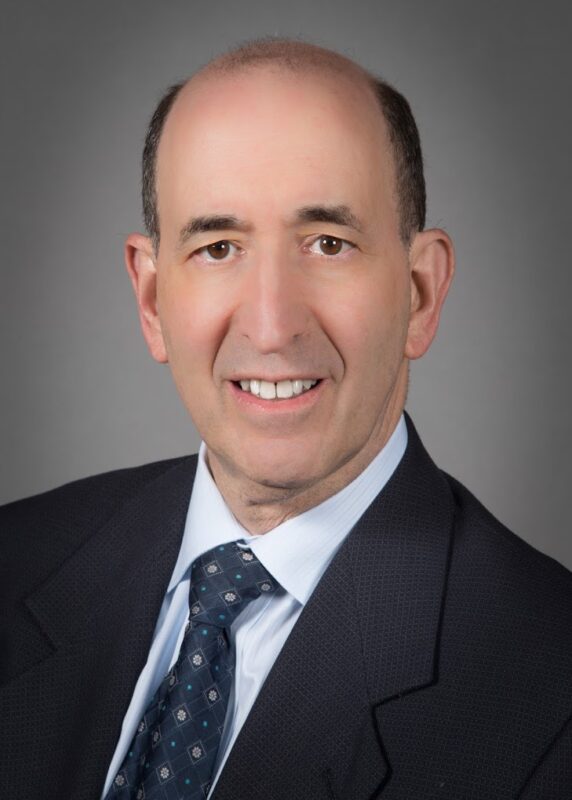
by Steven Mandel, MD
VP of Outreach and Engagement
New York Metro Region, FJMC
Gesher — November 2026